In a world that continually seeks new flavors and culinary experiences, the humble red hot chili has emerged as a fiery sensation, transcending cultural boundaries and captivating the taste buds of millions. The demand for red hot chili has been steadily on the rise, reflecting not only a growing appreciation for spicy cuisine but also the spice’s versatility and health benefits.
Global Culinary Exploration:
As global palates expand and culinary exploration becomes more adventurous, the demand for intense flavors, including the fiery kick of red hot chili, has seen a significant uptick. From traditional recipes in Asia and Latin America to contemporary fusion dishes in the West, the red hot chili has become a staple ingredient that adds depth and complexity to a wide array of cuisines.
Health Benefits and Culinary Appeal:
Beyond its intense flavor, red hot chili is celebrated for its potential health benefits. Rich in capsaicin, the compound responsible for the chili’s heat, it is believed to have anti-inflammatory and metabolism-boosting properties. This dual appeal – a punch of flavor and potential health perks – has driven consumers worldwide to incorporate red hot chili into their daily diets.
Diverse Varieties and Culinary Applications:
The world of red hot chili is not a monolithic entity; it encompasses a diverse range of chili varieties, each with its unique flavor profile and heat level. From the smoky depth of chipotle to the explosive heat of Thai bird’s eye chili, the market caters to a spectrum of preferences. Chefs and home cooks alike experiment with these varieties, showcasing the chili’s adaptability in everything from salsas and curries to hot sauces and marinades.
Growing Popularity of Ethnic Cuisines:
The increasing popularity of ethnic cuisines, such as Mexican, Indian, Thai, and Korean, has been a driving force behind the global chili craze. As people embrace the authenticity of these cuisines, they develop a taste for the signature spice levels that red hot chili brings. This has led to a surge in demand not only for fresh chili but also for processed chili products, including powders, pastes, and sauces.
Commercial Opportunities and Agricultural Impacts:
The escalating demand for red hot chili presents significant commercial opportunities for both farmers and the food industry. Countries with a strong chili-growing tradition, such as India, Mexico, China, and Thailand, are witnessing increased exports, contributing to their economic growth. However, the surge in demand also poses challenges, necessitating sustainable and efficient agricultural practices to meet global expectations.
Consumer Trends and Market Expansion:
With consumers becoming more discerning and adventurous in their culinary choices, the red hot chili market is poised for continuous growth. The popularity of hot sauce challenges, chili-eating competitions, and the proliferation of spicy food challenges on social media platforms further fuel the chili frenzy, driving curiosity and demand among a diverse audience.
The world’s growing fascination with red hot chili is more than just a culinary trend; it’s a testament to the evolving nature of global tastes and the exploration of diverse flavors. As the demand for spiciness continues to rise, the red hot chili stands at the forefront, offering a world of possibilities for those who seek to add a touch of heat to their culinary adventures. From street food stalls to high-end restaurants, the red hot chili is not just a spice; it’s a symbol of the vibrant and interconnected global food culture.
Vietnam, a nation with a rich agricultural landscape, is making significant strides in the pursuit of adding value to its fresh produce through advanced processing techniques. This proactive approach aims to not only meet the increasing demands of global markets but also to boost the local economy by creating value within the agricultural sector. In recent years, Vietnam has emerged as a key player in the processing of fresh products, showcasing its commitment to innovation and sustainability.
Diverse Agricultural Bounty:
Vietnam is blessed with a diverse range of fruits, vegetables, and other fresh produce due to its favorable climate and fertile soil. Recognizing the potential of this agricultural bounty, the country has embarked on a journey to elevate the value of its fresh products beyond their raw form.
Technological Advancements:
The integration of modern processing technologies has been a game-changer for Vietnam’s agricultural sector. From state-of-the-art packaging facilities to cutting-edge preservation methods, the country is leveraging technology to enhance the quality and shelf life of its fresh produce. This not only ensures that products reach consumers in optimal condition but also allows for increased export opportunities.
Adding Value through Innovation:
Vietnam is focusing on innovative processing methods to create value-added products that cater to diverse consumer preferences. Whether it’s transforming fresh fruits into dehydrated snacks or developing ready-to-cook vegetable mixes, the country is actively diversifying its product offerings. This not only benefits farmers by providing new revenue streams but also contributes to reducing food waste.
Global Market Penetration:
The commitment to processing fresh products aligns with Vietnam’s ambitions to expand its footprint in global markets. Processed and value-added products often have a broader appeal and can capture the interest of international consumers who seek convenience without compromising on quality. This strategic move positions Vietnam as a competitive player in the global agri-food industry.
Economic Impact:
The shift towards value-added processing is not only enhancing the competitiveness of Vietnamese products but also positively impacting the economy. By creating a more extensive value chain, from farmers and processors to distributors and retailers, the country is generating employment opportunities and contributing to the overall economic growth.
Sustainable Practices:
Vietnam’s emphasis on value-added processing includes a commitment to sustainability. From adopting eco-friendly packaging materials to implementing energy-efficient processing methods, the country is mindful of the environmental impact. This sustainable approach not only meets the expectations of conscious consumers but also positions Vietnam as a responsible player in the global market.
Vietnam’s dedication to processing fresh products to enhance their value reflects a strategic and forward-thinking approach to agriculture. By embracing technology, fostering innovation, and prioritizing sustainability, Vietnam is not only meeting the demands of the contemporary market but is also securing a bright and sustainable future for its agricultural sector. As the country continues to refine its processing capabilities, the world watches as Vietnam emerges as a key contributor to the global agri-food landscape.
Vietnam is one of the top producers of seedless limes in the world, with a large portion of its production being exported to other countries. In recent years, the demand for Vietnam seedless limes has been steadily increasing, making it a lucrative market for farmers and exporters. There are reasons behind the success of Vietnam’s seedless lime export and the potential for growth in the future.
Ideal Climate and Soil Conditions
Vietnam’s tropical climate and fertile soil provide the perfect conditions for growing seedless limes. The country’s long coastline and high humidity levels create a suitable environment for the trees to thrive. Additionally, the soil in Vietnam is rich in nutrients, which contributes to the high quality and taste of the limes. These ideal conditions allow for a year-round production of seedless limes, making Vietnam a reliable source for this fruit.
High-Quality Production
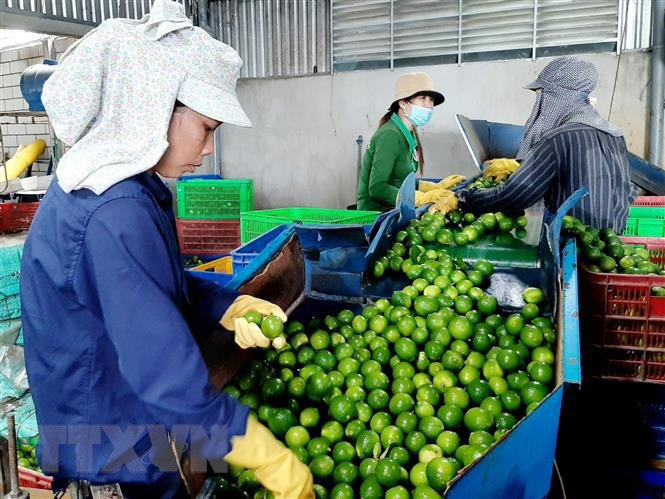
Vietnam’s seedless limes are known for their superior quality and taste. The limes are carefully hand-picked and sorted to ensure that only the best ones are exported. The use of traditional farming methods and the absence of harmful chemicals also contribute to the high quality of the limes. This attention to detail and commitment to producing top-quality fruit has earned Vietnam a reputation as a reliable and trustworthy exporter of seedless limes.
Competitive Pricing
Compared to other major producers of seedless limes, Vietnam offers competitive pricing for its exports. This is due to the lower production costs in the country, including labor and land expenses. As a result, Vietnam’s seedless limes are more affordable for buyers, making them a popular choice in the global market. This competitive pricing has helped Vietnam establish itself as a key player in the seedless lime export industry.
Growing Demand
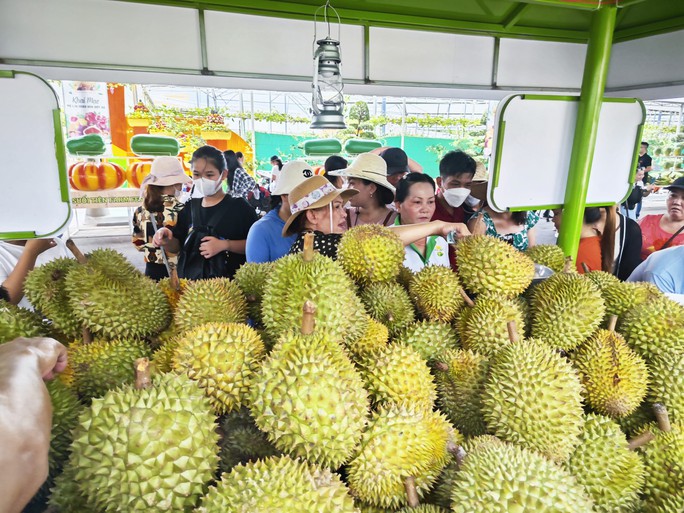
The demand for seedless limes has been steadily increasing in recent years, with more and more countries importing them. This is due to the growing popularity of healthy and natural foods, as well as the versatility of seedless limes in various cuisines. Vietnam’s seedless limes are particularly sought after in Asian countries, where they are used in traditional dishes and beverages. As the demand for seedless limes continues to rise, Vietnam is well-positioned to meet this demand and expand its export market.
Government Support
The Vietnamese government has been actively supporting and promoting the country’s seedless lime export industry. This includes providing financial assistance to farmers and exporters, as well as implementing policies to improve the quality and safety of the limes. The government’s efforts have helped boost the reputation of Vietnam’s seedless limes in the global market and attract more buyers.
Vietnam’s seedless lime export industry has seen significant growth in recent years, thanks to its ideal climate and soil conditions, high-quality production, competitive pricing, growing demand, and government support. As the demand for seedless limes continues to rise, Vietnam is well-positioned to maintain its position as a top producer and exporter of this fruit. With its commitment to quality and sustainability, Vietnam’s seedless limes are sure to remain a popular choice for buyers around the world.
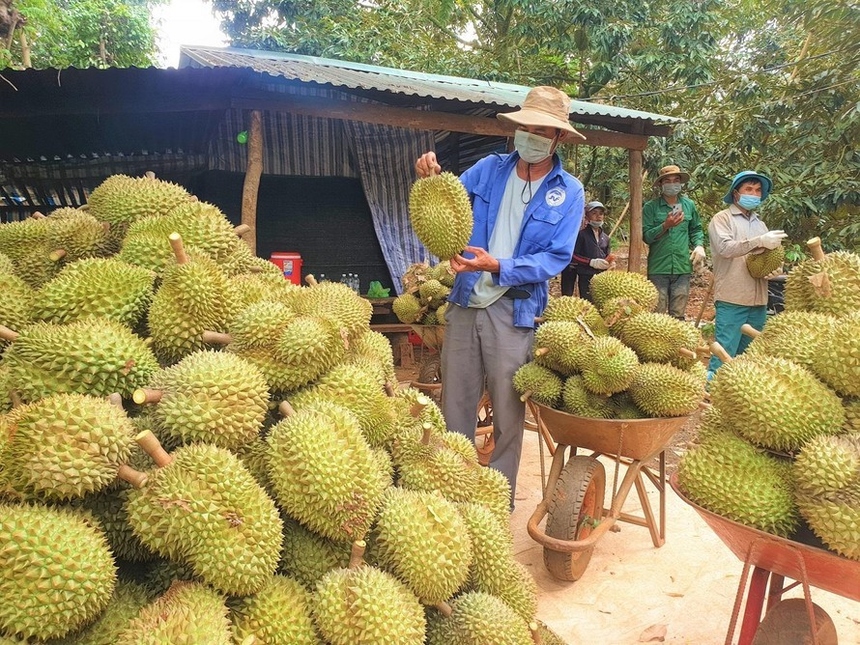
Vietnam is known for its rich agricultural industry, producing a variety of fruits and vegetables that are exported all over the world. One of the most popular fruits in Vietnam is durian, known for its unique taste and strong odor. In recent years, Vietnam has seen a significant increase in durian production and export, with projections showing even more growth in the coming years. In this article, let’s see current state of Vietnam’s durian export industry and what we can expect in 2023.
The Impact of COVID-19
The COVID-19 pandemic has had a significant impact on global trade and Vietnam’s durian export industry is no exception. In 2020, Vietnam’s durian export saw a slight decrease due to disruptions in supply chains and a decrease in demand from importing countries. However, as the world begins to recover from the pandemic, Vietnam’s durian export is expected to bounce back and continue its upward trend.
Projections for 2023
Express predict that Vietnam’s durian export will continue to grow in the coming years, with a projected export value of over $1 billion by 2023. This growth can be attributed to several factors, including the increasing demand for durian in China and other Asian countries, as well as the government’s efforts to promote and support the durian industry. The Vietnamese government has implemented policies to improve the quality and safety of durian production, making it more attractive to international buyers.
Challenges and Opportunities
While the future looks bright for Vietnam’s durian export, there are still challenges that the industry must overcome. One of the main challenges is competition from other durian-producing countries like Thailand and Malaysia. These countries have well-established durian industries and are also major exporters. However, this also x`presents an opportunity for Vietnam to differentiate itself by promoting its unique varieties of durian and focusing on quality rather than quantity.
In conclusion, Vietnam’s durian export industry is on the rise and is expected to continue growing in the coming years. With the increasing demand for durian in neighboring countries and the government’s support, Vietnam is well-positioned to become a major player in the global durian market. However, it is important for the industry to address challenges and seize opportunities in order to maintain its growth and success.
Have you tried Vietnamese durian? What do you think of its export potential? Let us know in the comments.