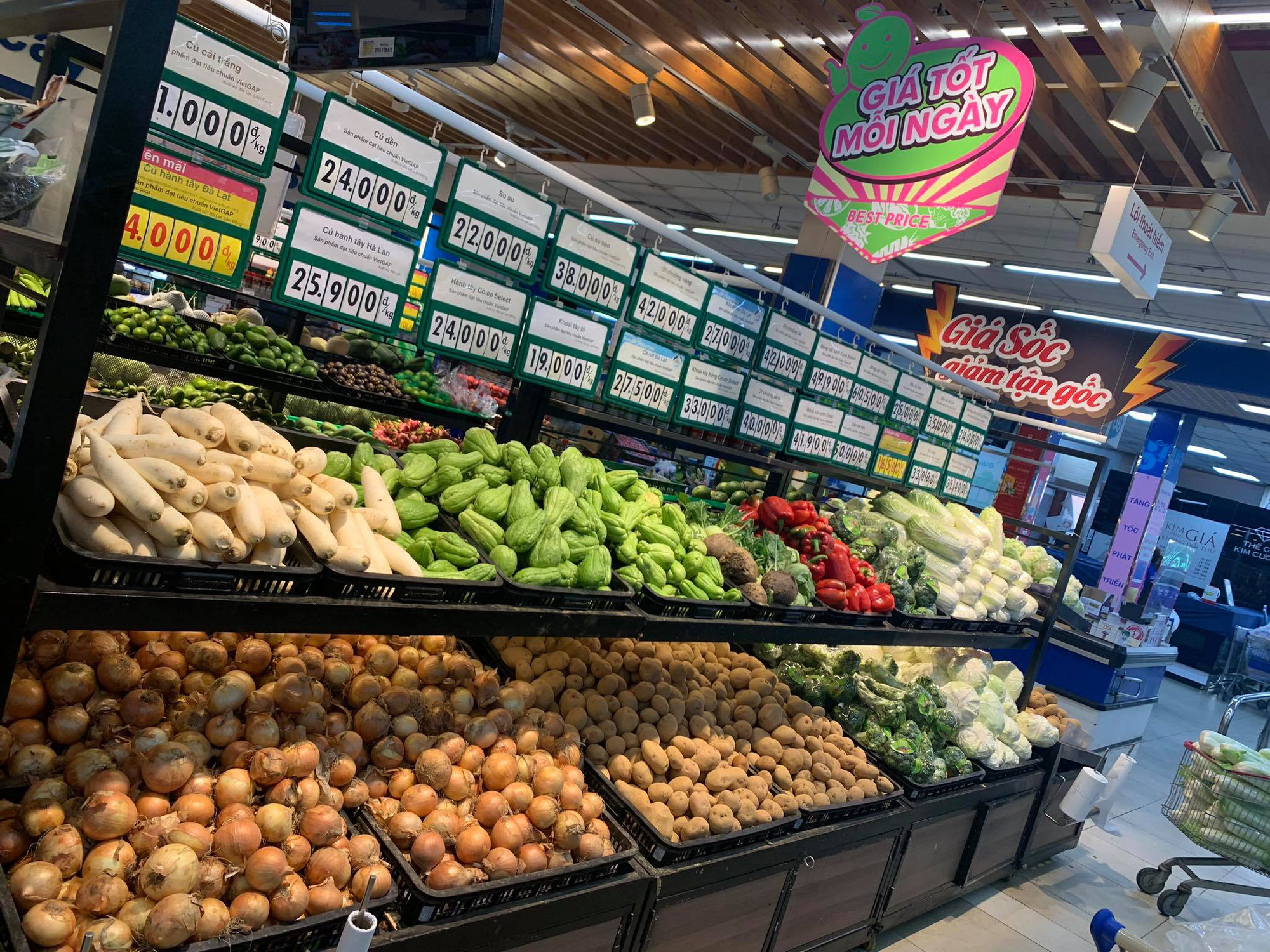
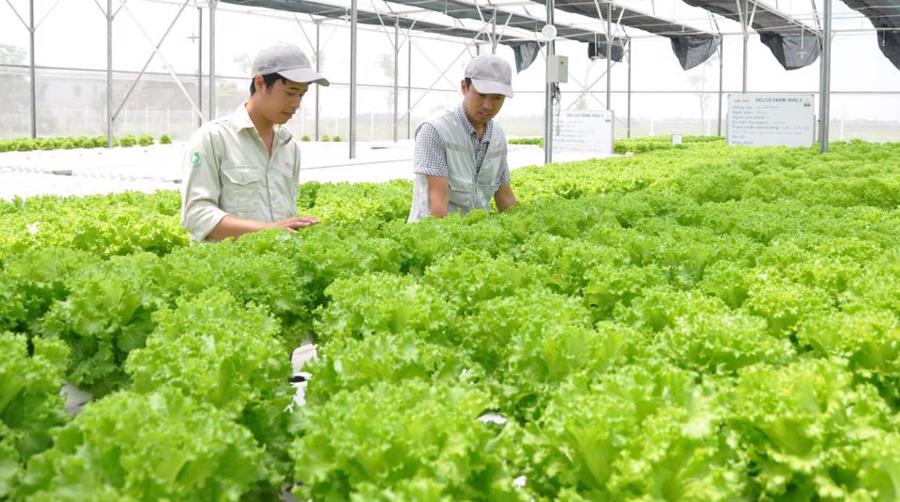
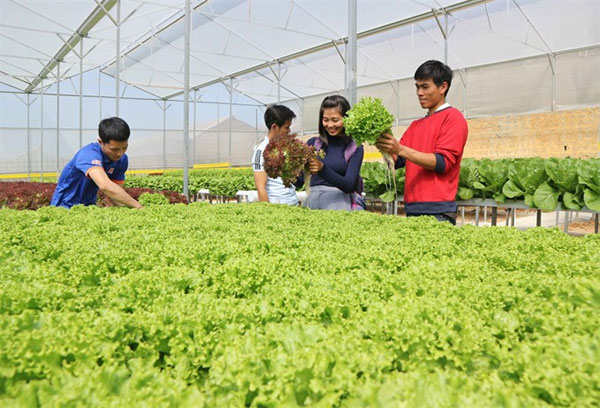
Vietnam is a country known for its rich culture, beautiful landscapes, and delicious cuisine. But in recent years, it has also gained recognition for its high-quality agricultural products. Vietnamese herbs, in particular, have become increasingly popular in the global market. Why Vietnamese agricultural fresh products are becoming more and more preferred in the world.
Locally Source
One of the main reasons for the rise in popularity of Vietnamese agricultural products is their locally sourced nature. Vietnam has a long history of agriculture, with many farmers using traditional methods to grow their crops. This means that the products are grown and harvested in their natural environment, without the use of harmful chemicals or pesticides. This results in fresh, flavorful, and healthy produce that is in high demand by consumers.
Unique Flavors
Vietnamese spices, in particular, have gained a reputation for their unique and bold flavors. These sprices like black, pepper, red hot chilli, ginger are often used in traditional Vietnamese dishes, such as pho and spring rolls, and are known for their aromatic and spicy qualities. Some popular other Vietnamese herbs include lemongrass, Thai basil, and Vietnamese coriander. These herbs not only add flavor to dishes but also have medicinal properties, making them a popular choice for health-conscious consumers.
Sustainable Farming Practices
Vietnam has a strong focus on sustainable farming practices, which has contributed to the high quality of its agricultural products. Many farmers use organic and natural methods to grow their crops, which not only benefits the environment but also produces healthier and more flavorful produce. Additionally, Vietnam has a diverse range of climates and landscapes, allowing for a variety of crops to be grown throughout the country.
Increasing Demand
As the world becomes more health-conscious and environmentally aware, the demand for locally sourced and sustainable products has increased. Vietnamese agricultural products, with their unique flavors and sustainable farming practices, have caught the attention of consumers around the world. This has led to an increase in exports of Vietnamese herbs and other agricultural products, boosting the country’s economy and promoting its rich culture.
Affordable Prices
Despite the high quality and increasing demand for Vietnamese agricultural products, they remain affordable for consumers. This is due to the low cost of production in Vietnam, as well as the country’s focus on exporting its products. This makes Vietnamese herbs and other agricultural products a cost-effective option for businesses and consumers alike.
In conclusion, Vietnamese agricultural fresh products are gaining popularity in the world due to their locally sourced nature, unique flavors, sustainable farming practices, increasing demand, and affordable prices. As consumers become more conscious of the origin and quality of their food, Vietnamese herbs and other agricultural products are sure to continue to be a top choice in the global market. So next time you’re looking for fresh and flavorful produce, consider trying some Vietnamese herbs and supporting the country’s thriving agricultural industry.
Vietnam’s agriculture industry has long been a major contributor to the country’s economy, accounting for over 20% of its GDP. With the upcoming 2024 new crop, the industry is set to experience significant growth and development. In this article, we will explore the potential of Vietnam’s agriculture industry and the impact of the 2024 new crop.
Vietnam’s Agriculture Registry
Vietnam’s agriculture industry is one of the largest in the world, with a diverse range of crops including rice, coffee, rubber, and seafood. The industry has been a major source of employment for the country, providing jobs for over 40% of its population. In recent years, the industry has seen significant growth, with a 2.7% increase in crop yield in 2020 compared to the previous year.
The Impact of the 2024 New Crop
The 2024 new crop is expected to have a major impact on Vietnam’s agriculture industry. With the government’s focus on modernizing and improving the industry, the new crop is set to bring in new technologies and techniques that will increase crop yield and improve the overall efficiency of the industry. This will not only benefit the farmers but also the economy as a whole.
Increased Crop Yield
One of the main goals of the 2024 new crop is to increase crop yield. With the use of modern technologies and techniques, farmers will be able to produce more crops in a shorter amount of time. This will not only meet the growing demand for agricultural products but also increase the country’s export potential. With a higher crop yield, Vietnam’s agriculture industry will be able to compete on a global scale and contribute to the country’s economic growth.
Sustainable Farming Practices
The 2024 new crop also aims to promote sustainable farming practices in Vietnam. This includes the use of organic fertilizers, crop rotation, and water conservation techniques. By implementing these practices, the industry will not only be able to produce healthier and more environmentally friendly crops, but also reduce production costs and increase profits for farmers.
Investment Opportunities
The 2024 new crop is also expected to bring in new investment opportunities for the agriculture industry in Vietnam. With the government’s focus on modernization and development, there will be a demand for new technologies and equipment. This presents an opportunity for foreign investors to enter the market and contribute to the growth of the industry.
The 2024 new crop is set to bring in a promising future for Vietnam’s agriculture industry. With increased crop yield, sustainable farming practices, and new investment opportunities, the industry is expected to experience significant growth and contribute to the country’s economic development. As we look towards the future, it is clear that Vietnam’s agriculture industry will continue to play a vital role in the country’s economy.
Have you been following the developments in Vietnam’s agriculture industry? Let us know in the comments.